

You Didn't Fly This Far to Wing It
Skip the tourist traps. Local guides, authentic experiences, solo-traveler approved.
Not sure where to start? Browse popular categories:
Show Me What I Missed Somewhere else in mind? We don't judge →After traveling solo across many countries: the best trips aren't measured by how much you did, they're measured by how much of it actually felt like you. Here's how to find that balance.
Most solo travelers arrive with a list of 20 things they "should" do. By day three, they're exhausted and behind schedule. The shift happens when you stop treating your trip like a to-do list and start treating it like time that's entirely yours. One thing done properly beats five things rushed.
There's no rule that says you have to be moving all day. Spending three hours in one museum, getting lost in a neighborhood with no destination, or sitting in a local café watching the street go by isn't wasting time, it's what slow, intentional travel actually looks like. You set the agenda. Use that.
Here's the honest truth: the things that feel slightly uncomfortable to book solo, the cooking class, the group hike, the surf lesson, are almost always the ones you talk about years later. You don't need to go skydiving. Just pick one thing per trip that's a little outside your usual pattern. That's enough to grow.
The most Instagrammed spot in any city is usually the most crowded, most expensive, and least memorable part of your trip. A neighborhood market, a meal at a place with no English menu, a free walking tour led by a resident, these reveal more about a place than any famous attraction. Seek what locals actually do, not what visitors are told to see.
Joining a group tour, class, or experience when you're traveling alone isn't a compromise, it's a strategy. These are the spaces where solo travelers meet, where conversations start naturally, and where the trip shifts from solo to shared. Pick at least one group activity per destination. It changes the dynamic.
Expensive doesn't mean better. A $15 street food tour can outperform a $120 rooftop dinner. A free walking tour with a passionate local guide beats a polished bus tour every time. Know what you're willing to spend on, and be intentional about it, rather than defaulting to whatever's at the top of the search results.
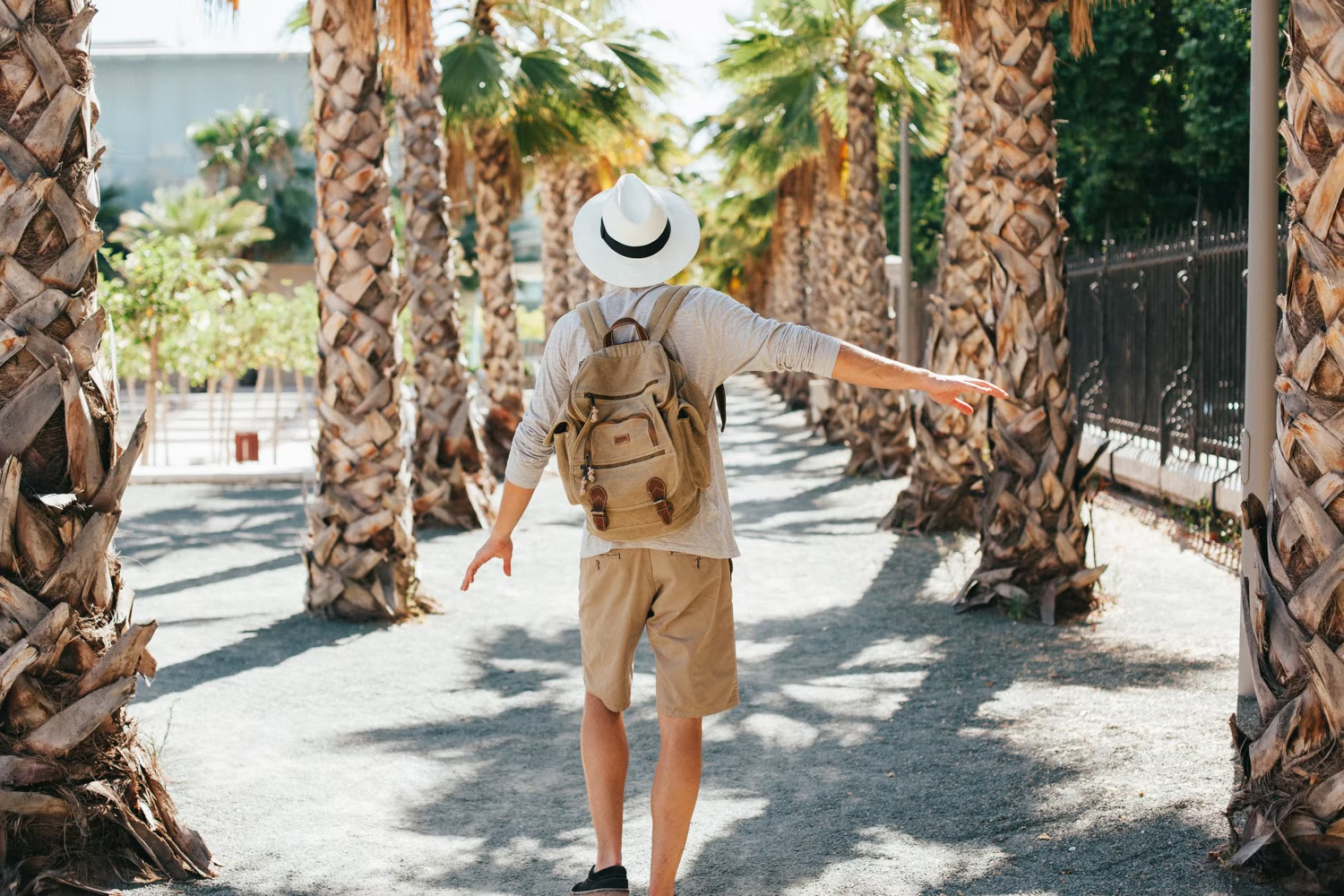
Skip the tourist traps. Local guides, authentic experiences, solo-traveler approved.
Not sure where to start? Browse popular categories:
Show Me What I Missed Somewhere else in mind? We don't judge →Look for experiences with small group sizes (under 12 people), led by local guides, with verified reviews. Walking tours, cooking classes, day hikes, and cultural workshops tend to attract solo travelers naturally. Avoid large bus tours if connection is what you're after — the format doesn't encourage it.
Depends on the activity and destination. For popular experiences in high-season destinations, book ahead, they sell out and prices rise closer to the date. For flexible activities like walking tours or casual classes, booking a day or two before is usually fine. Don't over-schedule your trip in advance, leave room to adjust based on how you actually feel when you're there.
Most reputable booking platforms offer free cancellation up to 24 hours before the activity. Check cancellation policies before you book, not after. If an experience genuinely isn't working for you, it's okay to leave early, you're solo, you don't owe the group your full afternoon. Your time matters.
This varies wildly by destination and travel style, but a rough starting point: allocate 15–20% of your daily travel budget to activities. Mix free and paid experiences, free walking tours, public parks, markets, and self-guided exploration should make up a good portion of your days. Save the budget for experiences you genuinely can't replicate on your own.
Yes, with the right format. Look for small groups (8 or fewer), activity-based experiences where the focus is the thing you're doing together (cooking, hiking, photography), rather than forced conversation. These tend to work well for introverts because the activity gives you something to engage with, and conversation happens naturally from there, without pressure.
Affiliate Disclosure: This page contains affiliate links. If you book through our links, I earn a small commission at no additional cost to you. I only recommend tools I genuinely use and trust. Read our full privacy policy for more details.