Introduction
The scent of frangipani fills the air as you lie on a woven mat in a simple family compound. Your healer, a diminutive woman with silver-streaked hair and eyes that seem to see beyond the physical, presses points on your feet that send sensations coursing through your body. This isn’t your typical Balinese massage—this is Usada, Bali’s ancient healing tradition that addresses illness at its energetic and spiritual roots.
While Bali welcomes over 6.2 million international visitors annually, most experience only the surface of the island’s wellness offerings: spa treatments, yoga classes, and meditation retreats. Few discover Usada, the traditional healing system that has sustained Balinese communities for centuries.
As a solo traveler seeking deeper restoration, you have a unique opportunity to access this sacred tradition—if you know where to look and how to approach it with respect.
In this guide, you’ll learn:
- What Usada healing is and how it differs from spa treatments
- How to find authentic balians (traditional healers)
- What to expect during a healing session
- Essential etiquette for receiving traditional healing
- How to integrate this experience meaningfully into your Bali journey
What is Usada Healing?
The Three Worlds of Balinese Medicine
Usada (also known as Usadha) is Bali’s indigenous healing system, rooted in ancient Balinese Hindu texts called the Usada Lontar. These palm-leaf manuscripts, passed down through generations of healers, describe the intricate connections between physical illness, emotional imbalance, and spiritual disruption.
Unlike Western medicine’s symptom-focused approach, Usada healing views humans as existing in three interconnected worlds:
Bhuana Alit (Microcosm) - Your individual self Bhuana Agung (Macrocosm) - The universe and environment Bhuana Niskala (Invisible World) - The spiritual realm
Illness, in the Usada tradition, arises from disharmony between these worlds. A balian’s job is to identify where the imbalance originated and restore harmony through a combination of:
- Pijat (massage and bodywork)
- Boreh (herbal compresses and scrubs)
- Mantra (sacred chanting)
- Upacara (ritual offerings and ceremonies)
- Taksu (divine inspiration/intuition)
Balian: Traditional Healers of Bali
The word balian translates to “one who channels healing energy.” Bali’s traditional healers come from diverse lineages:
Balian Tapakan - Mediums who channel spirits to diagnose illness Balian Usada - Herbalists and energy workers trained in the Lontar texts Balian Pisang - Those who work with plant medicine
According to local estimates, over 8,000 balians practice across the island, though only a fraction work with visitors from outside Bali. Finding an authentic practitioner requires discernment and the right connections.
Finding an Authentic Healer
Red Flags: Tourist Traps vs. Authentic Practitioners
⚠️ AVOID:
- Healers aggressively soliciting tourists on the street
- Spas claiming to offer “traditional healing” without balian lineage
- Practitioners with fixed, high prices for foreigners only
- Anyone promising miracle cures or instant enlightenment
✓ SEEK:
- Practitioners recommended by trusted locals or long-term residents
- Family compounds where generations have practiced healing
- Healers who require advance booking (not walk-ins)
- Those who integrate diagnosis, treatment, and ritual
Recommended Practitioners for Solo Travelers
While the most authentic experiences come through personal connections, several reputable practitioners have experience working with international visitors:
Pak Sirkus (North Bali)
- Specialty: Bone-setting and physical injuries
- Cost: Rp 300,000-500,000 ($20-35 USD)
- Note: No appointments; arrive early and wait your turn
Ibu Jero in Tampaksiring (near Ubud)
- Specialty: Energy work and emotional healing
- Cost: Donation-based (typically Rp 150,000-500,000)
- Access: Requires local referral; ask at your homestay
Cekok Balian (East Bali)
- Specialty: Herbal remedies and chronic conditions
- Cost: Rp 500,000-1,000,000 plus herbs
- Experience: Few tourists, deeply traditional
The best approach? Ask your homestay host, yoga teacher, or a trusted local contact if they know a balian in their family or community. These personal connections lead to the most authentic experiences.
Stay in a homestay near Ubud for authentic local connections →
What to Expect During a Session
The Diagnosis: Reading Your Body’s Story
Your session begins not with treatment, but with diagnosis. Unlike Western doctors who rely on tests and scans, a balian reads your body’s story through:
Pulse diagnosis - Feeling multiple pulse points on your wrists Observation - Noting your complexion, eyes, tongue, and energy Intuitive reading - Perceiving emotional and spiritual blocks
I remember my first session with Ibu Jero. Before I spoke a word, she described a childhood injury I’d never mentioned and the grief I’d been carrying since my father’s death. “Your body remembers what your mind tries to forget,” she said, pressing a point between my shoulder blades that released tears I didn’t know I was holding.
The Treatment: Bodywork Meets Energy Work
Treatment varies by practitioner and your specific needs, but commonly includes:
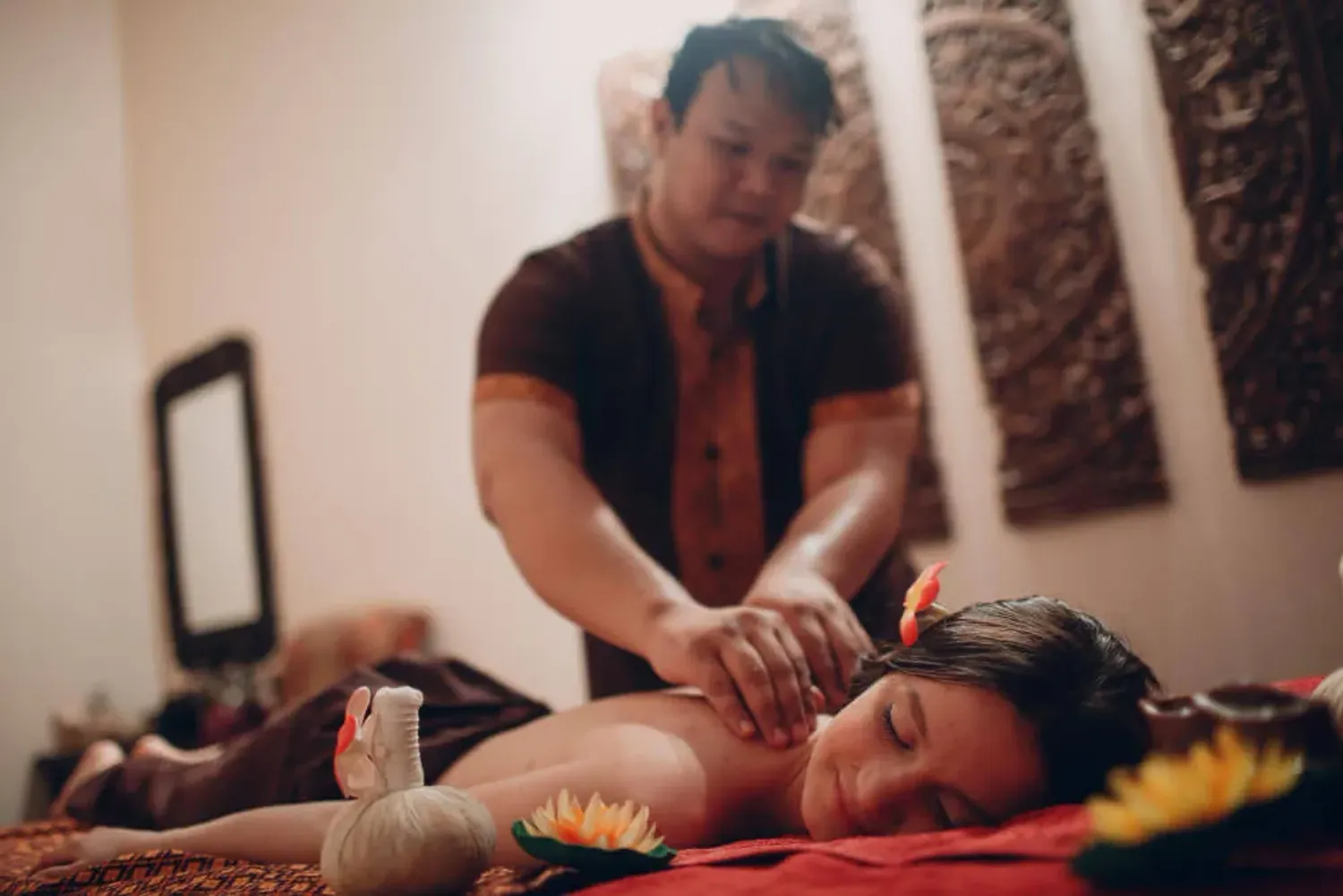
Pijat Traditional - Deep tissue massage using coconut oil and thumb pressure along energy lines (similar to Thai massage but gentler)
Boreh Herbal Compress - Warm cloth bundles filled with ginger, galangal, and other herbs, pressed into sore muscles and joints
Mantra and Taksu - The balian may chant sacred Sanskrit mantras while working, invoking divine healing energy
Ritual Offering - Some sessions conclude with creating a small offering (canang sari) to release what no longer serves you
Sessions typically last 1-2 hours. Unlike spa massages, this isn’t about relaxation—it’s about restoration. You may feel emotional, experience physical release, or have vivid sensations as blocked energy moves.
Essential Etiquette for Receiving Healing
Dress and Presentation
Modest attire is required. Women should wear clothing that covers shoulders and knees; men should wear shorts or pants that reach the knee. Avoid tight or revealing clothing.
Remove shoes before entering the family compound or treatment space. You’ll typically be offered a seat on a mat or low platform; sit cross-legged or with legs to the side (never soles of feet facing the healer or sacred objects).
Offerings and Donations
Bring a small offering (canang sari) if possible. Your homestay host can help you purchase one from a local market for Rp 5,000-10,000 ($0.35-0.70 USD). Present it with both hands and a slight bow before the session begins.
Payment structure: Traditional balians work on a donation basis, not fixed prices. After your session, place your donation in an envelope (not handed directly) with both hands and your right hand slightly above your left.
Appropriate donations:
- Basic energy work: Rp 150,000-300,000 ($10-20 USD)
- Complex herbal treatments: Rp 500,000-1,500,000 ($35-100 USD)
- Bone-setting or specialized work: Rp 1,000,000+ ($70+ USD)
When in doubt, ask a local contact what’s appropriate for that specific healer.
Communication and Boundaries
Share your health concerns openly but respectfully. Balian rely on honest communication about physical symptoms, emotional state, and life circumstances.
However: Avoid demanding specific treatments or telling the balian their business. Trust their assessment of what you need. If they recommend ritual or lifestyle changes, take it seriously—this is part of the cure.
Consent matters. If you’re uncomfortable with any aspect of treatment (intense pressure, chanting, ritual elements), speak up respectfully. A good healer will adjust.
Integrating the Experience
Aftercare: Honoring the Healing
Your body and spirit continue processing the work for days after a session. Follow these guidelines:
Avoid: Cold drinks, ice, air conditioning (traditional belief that these “freeze” healing energy), heavy meals, alcohol, and intense exercise for 24 hours.
Embrace: Warm water and ginger tea, rest, journaling, and gentle walks in nature.
Observe: Dreams, emotions, and physical sensations in the days following. Many people report significant shifts as blocked energy releases.
Combining Usada with Other Wellness Practices
Usada healing pairs beautifully with other Balinese wellness experiences:
Yoga and Meditation - Deepen the energetic work through sustained practice Purification Ceremonies - Participate in Melasti (water purification) at a local temple Flower Baths - Many practitioners recommend or offer flower baths for emotional clearing Detox Retreats - Some wellness centers integrate balian consultations into juice fasts or cleanses
Practical Information
Best Time to Visit
Dry season (April-October) is ideal for travel, but Usada healing is available year-round. Avoid the peak of rainy season (January-February) when remote areas become difficult to access.
Timing considerations:
- Avoid auspicious days like Nyepi (Balinese New Year) when most activities cease
- Book in advance during July-August peak tourist season
- Morning sessions (8-11 AM) are traditional; many balians won’t treat after midday
Where to Stay for Healing Work
Ubud - The wellness capital with easy access to reputable practitioners, yoga studios, and healthy cafes North Bali - Near Pak Sirkus; quieter, less touristy East Bali - Most traditional, least developed tourism infrastructure
Find accommodation in Ubud near healers →
Getting to Bali
Most international travelers fly into Ngurah Rai International Airport (DPS) in Denpasar.
Compare flight prices to Bali →
From the airport, Ubud is approximately 1.5 hours by car. Arrange airport transfer through your accommodation (Rp 350,000-500,000 or $25-35 USD).
Budget Breakdown
Traditional Usada healing is surprisingly affordable:
- Healing session: $20-70 USD
- Herbal remedies (if prescribed): $10-30 USD
- Offering: $0.35-0.70 USD
- Transport to healer: $5-15 USD (depending on distance)
Total per session: $35-115 USD
For a week-long healing retreat including 3 sessions, accommodation, and healthy food, budget $400-700 USD—significantly less than a commercial wellness retreat.
Find budget-friendly guesthouses in Ubud →
Safety Considerations for Solo Travelers
Usada healing is generally very safe, but use common sense:
- Choose daytime appointments and arrange transport in advance
- Share your plans with your accommodation or a trusted contact
- Trust your instincts—if something feels off, leave politely
- Never go alone to remote compounds; bring a friend or hire a local guide
- Keep valuables secure; leave passports and excess cash at your hotel
Medical disclaimer: Usada healing is complementary, not a replacement for necessary medical care. For serious conditions, consult a physician alongside traditional treatment.
Common Mistakes to Avoid
Mistake #1: Treating It Like a Spa Service
Usada healing isn’t a luxury treatment—it’s a sacred exchange. Approach with humility, not entitlement. Don’t demand to skip the diagnosis or rush the ritual elements.
Mistake #2: Expecting Instant Results
Traditional healing works at the pace of your body and spirit. Some conditions resolve quickly; others require multiple sessions or lifestyle changes. Patience and trust are essential.
Mistake #3: Ignoring Cultural Context
Usada exists within Balinese Hindu cosmology. You don’t need to convert or believe everything, but respectfully engage with the framework. Dismissing spiritual elements as “superstition” is disrespectful and will limit your experience.
Mistake #4: Over-sharing with Random “Healers”
Not everyone claiming to be a balian is legitimate. Stick to practitioners with verifiable lineages or strong local recommendations. Avoid anyone promising miracle cures for exorbitant fees.
Conclusion: Beyond the Massage
Usada healing offers solo travelers something rare in our commodified wellness culture: access to an ancient, sacred healing tradition that hasn’t been packaged for tourists. When you approach it with respect, openness, and appropriate expectations, it can be one of the most profound experiences of your Bali journey.
Remember:
- Seek authentic balians through local connections, not tourist agencies
- Bring an offering and dress modestly
- Trust the process, even when it’s uncomfortable
- Honor the aftercare recommendations
- Integrate the experience through journaling and continued self-care
The physical bodywork is just the entry point. The real healing happens when you surrender to the possibility that wellness encompasses body, mind, spirit, community, and connection to something greater than yourself.
Plan your healing journey to Bali →
Have you experienced traditional healing in Bali or elsewhere? Share your story in the comments below.
Related Articles: