There’s something magical about watching the sun rise from above the clouds, standing on the summit of an active volcano. Mount Batur offers solo travelers one of Bali’s most rewarding adventures - a pre-dawn trek that culminates in breathtaking panoramic views and a profound sense of accomplishment.
Why Mount Batur is Perfect for Solo Travelers
The Solo Adventure Advantage
- Personal challenge: Test your limits and build confidence
- Flexible pace: No waiting for others or feeling rushed
- Deeper connection: Immerse yourself in the experience without distractions
- Meeting opportunities: Join other trekkers from around the world
Safety in Numbers (Even When Solo)
- Guided treks: Mandatory local guides ensure safety and provide company
- Popular route: Well-trodden path with fellow trekkers
- Group dynamics: Natural opportunities to connect with other travelers
- Professional support: Experienced guides handle logistics and emergencies
Preparing for Your Solo Trek
Physical Preparation
Training requirements:
- Cardio fitness: Regular walking, jogging, or cycling for 2-3 weeks prior
- Leg strength: Stair climbing and squats help with steep sections
- Endurance: Build up to 2-3 hours of continuous activity
- Altitude acclimatization: Spend a day at higher elevation if possible
Essential Gear Checklist
Clothing:
- Layers: Temperature changes dramatically (10°C to 25°C)
- Moisture-wicking base layer: Avoid cotton
- Warm mid-layer: Fleece or lightweight jacket
- Windproof outer layer: Protects from summit winds
- Comfortable hiking pants: Avoid jeans
- Warm hat and gloves: Essential for summit wait time
Footwear:
- Broken-in hiking shoes: Good grip and ankle support
- Thick hiking socks: Prevents blisters
- Gaiters (optional): Keeps volcanic dust out
Safety items:
- Headlamp: Essential for dark ascent
- Extra batteries: Cold drains battery life
- Trekking poles: Helpful for steep sections
- First aid kit: Blister treatment and basic medications
- Emergency whistle: For attracting attention if needed
Comfort items:
- Camera: For sunrise photos
- Power bank: Keep phone charged
- Snacks: Energy bars or nuts
- Water: 1-2 liters minimum
- Cash: For tips and additional purchases
Understanding the Trek Experience
What to Expect on Your Journey
Timeline:
- 2:00 AM: Hotel pickup and transport to starting point
- 3:30 AM: Begin trekking from base camp
- 5:30 AM: Reach summit (weather permitting)
- 6:00 AM: Sunrise viewing
- 7:00 AM: Begin descent
- 9:00 AM: Return to base camp
- 10:00 AM: Breakfast and transport back
Terrain challenges:
- Steep sections: 60-70 degree inclines in some areas
- Loose volcanic scree: Slippery gravel-like surface
- Rock scrambling: Using hands for balance in some sections
- Dark conditions: First 2-3 hours in complete darkness
The Summit Experience
What makes it special:
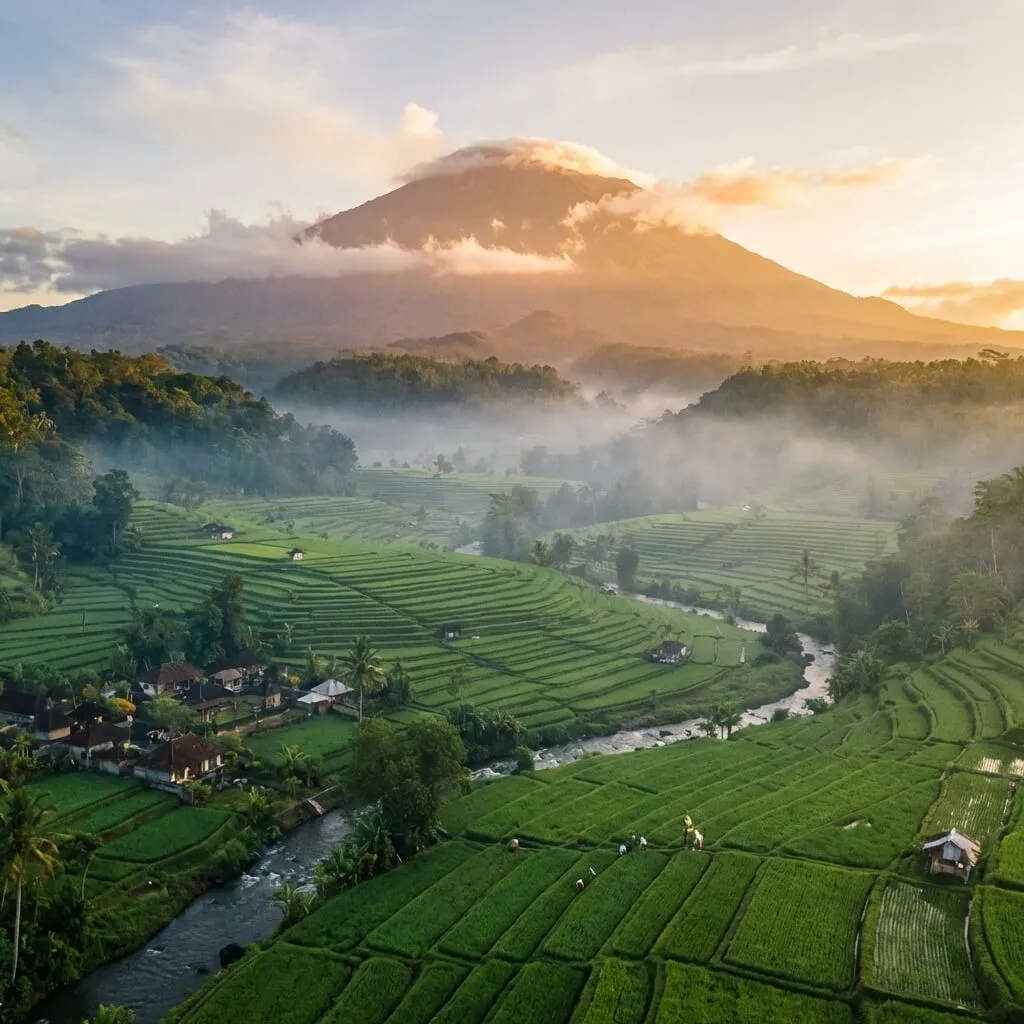
- 360-degree views: See Bali’s entire coastline and surrounding volcanoes
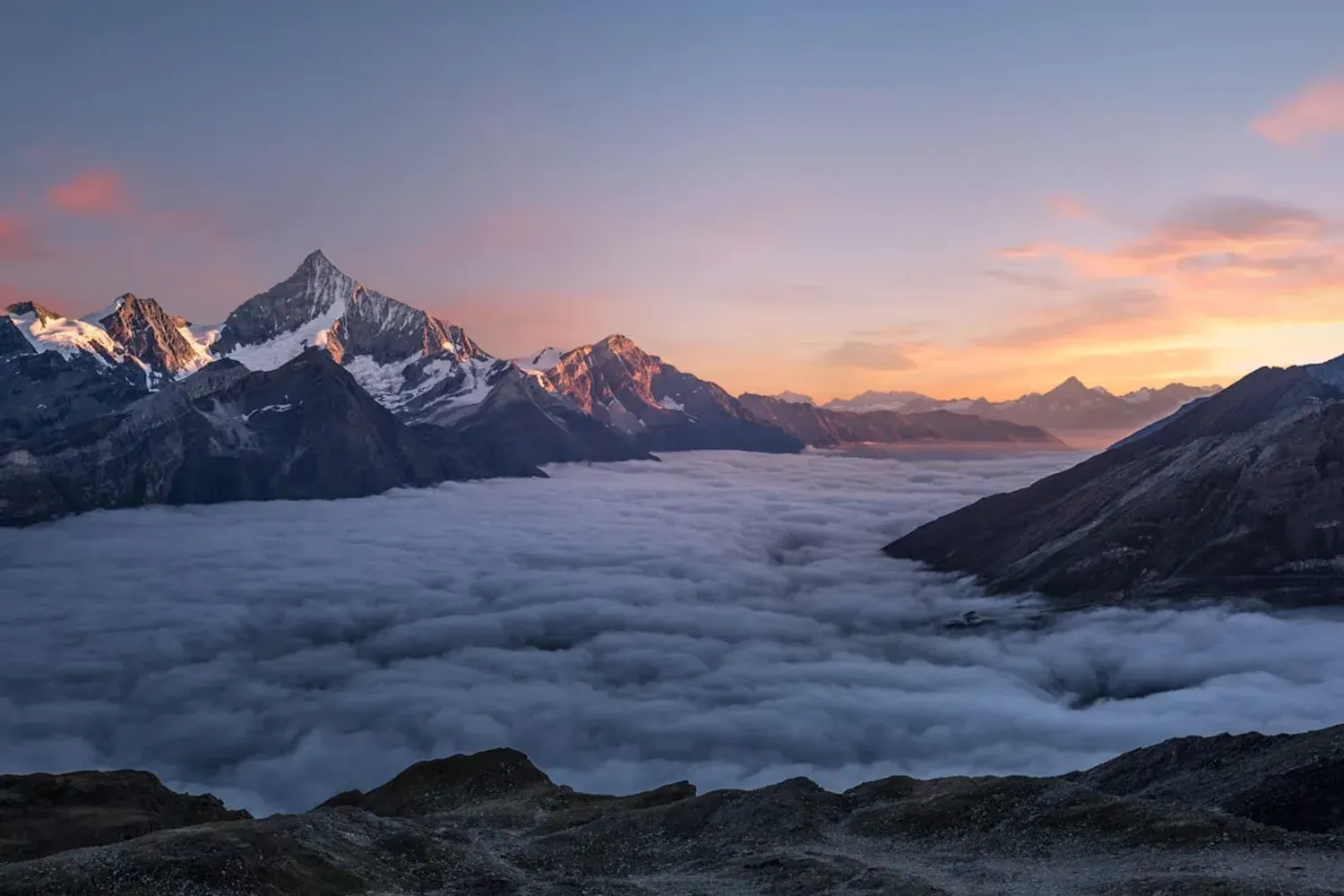
- Sea of clouds: Watch the sun rise above the cloud layer
- Volcanic landscape: Otherworldly terrain of black lava fields
- Sense of achievement: Reaching 1,717 meters (5,633 feet)
Weather considerations:
- Temperature: Can drop to 10°C (50°F) at summit
- Wind: Often strong and cold at the top
- Visibility: Varies with weather conditions
- Crowds: Popular time means sharing with other trekkers
Choosing Your Trek Provider
What to Look For
- Licensed guides: Ensure proper certification and insurance
- Group size: Smaller groups (10-15 people) offer better experience
- Equipment quality: Check headlamps and safety gear
- Transportation: Reliable pickup and drop-off service
- Reviews: Recent feedback from solo travelers
Questions to Ask Before Booking
- What’s included in the price? (Guide, transport, breakfast, water)
- Group size limit? (Affects personal attention)
- Emergency procedures? (Safety protocols and evacuation plans)
- Cancellation policy? (Weather-related flexibility)
- Equipment provided? (Headlamps, trekking poles, warm clothing)
Price Breakdown (Typical)
- Budget option: $40-50 (basic guide, transport, breakfast)
- Standard option: $50-65 (smaller groups, better equipment)
- Premium option: $65-80 (private guide, hot drinks, photos)
The Trekking Experience: Step by Step
Starting Point: Base Camp (Toya Bungkah)
Preparation phase:
- Meet your guide: Introduction and safety briefing
- Equipment check: Test headlamps and adjust gear
- Group formation: Meet fellow trekkers
- Final preparations: Last bathroom break and water refill
The Ascent: Darkness to Dawn
First hour (Base to Mid-point):
- Gradual warming: Start with moderate incline
- Getting comfortable: Find your rhythm with the terrain
- Group dynamics: Natural conversation and encouragement
- Wildlife sounds: Night birds and insects
Second hour (Mid-point to Summit approach):
- Increasing difficulty: Steeper sections and looser terrain
- Physical challenge: Heart rate increases, breathing becomes heavier
- Mental game: Focus on each step, not the remaining distance
- First light: Dawn begins to break on the horizon
Final push (Summit approach):
- Most challenging section: Steepest terrain and highest altitude
- Excitement builds: Summit becomes visible
- Group encouragement: Fellow trekkers support each other
- Final effort: Last burst of energy to reach the top
Summit Celebration
Sunrise moments:
- Pre-sunrise glow: Colors begin to paint the sky
- First appearance: Sun breaks through the horizon
- Golden hour: Best lighting for photos
- Panoramic views: Full 360-degree visibility
Summit activities:
- Photography: Capture the moment and views
- Breakfast: Simple meal provided by guides
- Rest and recovery: Catch breath and warm up
- Social interaction: Share experience with fellow trekkers
Solo Safety Strategies
Before You Book
- Research providers: Read recent reviews and check credentials
- Assess fitness: Be honest about your physical capabilities
- Check weather: Avoid trekking during heavy rain season
- Travel insurance: Ensure coverage for adventure activities
During the Trek
- Stay with your group: Don’t wander off alone
- Communicate needs: Tell your guide if you’re struggling
- Pace yourself: It’s not a race to the summit
- Stay hydrated: Drink water regularly, even if not thirsty
- Monitor your body: Watch for signs of altitude sickness or exhaustion
At the Summit
- Stay warm: Keep layers on until you’re moving again
- Secure belongings: Wind can blow away loose items
- Watch your step: Summit area can be crowded and slippery
- Time your descent: Don’t wait too long after sunrise
Making Connections as a Solo Traveler
Natural Meeting Opportunities
- During the trek: Shared challenge creates instant bonds
- At the summit: Celebrate together with photos and conversation
- During breakfast: Relaxed setting for deeper conversations
- On the descent: More energy for social interaction
Conversation Starters
- Travel stories: “Where are you from? What brought you to Bali?”
- Trekking experiences: “Have you done similar treks before?”
- Future plans: “What else are you planning in Bali?”
- Photography help: “Can you take a photo of me? I’ll get one of you!”
Building Lasting Connections
- Social media: Exchange Instagram or WhatsApp contacts
- Future plans: Make tentative plans to meet for other activities
- Travel recommendations: Share tips and experiences
- Group activities: Join others for post-trek adventures
Photography Tips for Solo Trekkers
Capturing the Experience
Equipment considerations:
- Phone camera: Most have excellent low-light capabilities
- Compact camera: Better zoom and manual controls
- GoPro: Great for action shots and wide angles
- Tripod: Essential for stable sunrise photos
Best shots:
- Pre-sunrise silhouettes: Dramatic dark sky with mountain outline
- First light: Golden colors breaking over the horizon
- Panoramic views: Wide shots of the entire landscape
- Self-portraits: Use timer or ask fellow trekkers for help
Technical Tips
- Manual settings: Lower ISO for less noise in low light
- Stability: Use rocks or your bag as impromptu tripod
- Timing: Start shooting 30 minutes before official sunrise
- Backup: Ensure enough storage and battery life
Post-Trek Recovery
Immediate Aftercare
- Stretch gently: Help muscles recover from the exertion
- Hydrate well: Replenish fluids lost during trek
- Rest: Allow time for recovery before other activities
- Celebrate: Acknowledge your achievement
Day After Trek
- Light activity: Gentle walking helps prevent stiffness
- Massage: Consider traditional Balinese massage
- Healthy meals: Nutrient-rich food for recovery
- Share your experience: Connect with friends and family
Extending Your Batur Experience
Additional Activities
- Hot springs: Natural hot springs near base camp
- Lake Batur: Beautiful crater lake for relaxation
- Coffee plantations: Traditional Balinese coffee experiences
- Cultural sites: Temples and villages in Kintamani area
Multi-Day Options
- Camping: Overnight camping on the mountain (advanced)
- Volcano tour: Combine with other volcanic sites
- Cultural immersion: Stay in local guesthouse
- Adventure packages: Combine with other Bali adventures
Practical Considerations
Booking Logistics
- Advance booking: Recommended, especially during peak season
- Hotel coordination: Most providers pickup from major tourist areas
- Payment methods: Cash preferred, some accept cards
- Cancellation policies: Understand terms before booking
What’s Included (Typical)
- Hotel pickup and drop-off: From most major tourist areas
- Local guide: Licensed and experienced
- Entrance fees: Trekking permits and conservation fees
- Breakfast: Simple meal at summit
- Water: Basic water supply
- Flashlight: Usually provided if you don’t have one
What’s Not Included
- Tips for guides: Customary 10-15% of trek cost
- Additional drinks: Coffee, tea, or extra water
- Personal equipment: Trekking poles, warm clothing
- Travel insurance: Highly recommended
Environmental Responsibility
Leave No Trace Principles
- Pack it out: Take all trash with you
- Stay on trail: Prevent erosion and habitat damage
- Respect wildlife: Don’t feed or disturb animals
- Minimize impact: Don’t remove rocks or plants
Supporting Local Communities
- Hire local guides: Provide income and cultural exchange
- Buy local products: Support small businesses
- Respect customs: Follow local guidelines and dress codes
- Share positively: Promote responsible tourism
Final Thoughts
The Mount Batur sunrise trek is more than just a physical challenge - it’s a transformative experience that offers solo travelers a unique perspective on Bali’s natural beauty and their own capabilities.
Standing on the summit as the sun rises above the clouds, you’ll feel a profound sense of accomplishment and connection to the natural world. The shared experience with fellow trekkers from around the world creates instant bonds and lasting memories.
For solo travelers, this trek represents the perfect balance of adventure, safety, and social connection. You’ll push your limits, witness something magical, and potentially make lifelong friends along the way.
Remember: the mountain will always be there, but your solo journey is unique. Embrace the challenge, trust your guide and fellow trekkers, and let Mount Batur’s sunrise transform your perspective on what’s possible when you travel alone.
Have you trekked Mount Batur as a solo traveler? Share your experience and tips in the comments below!