Introduction
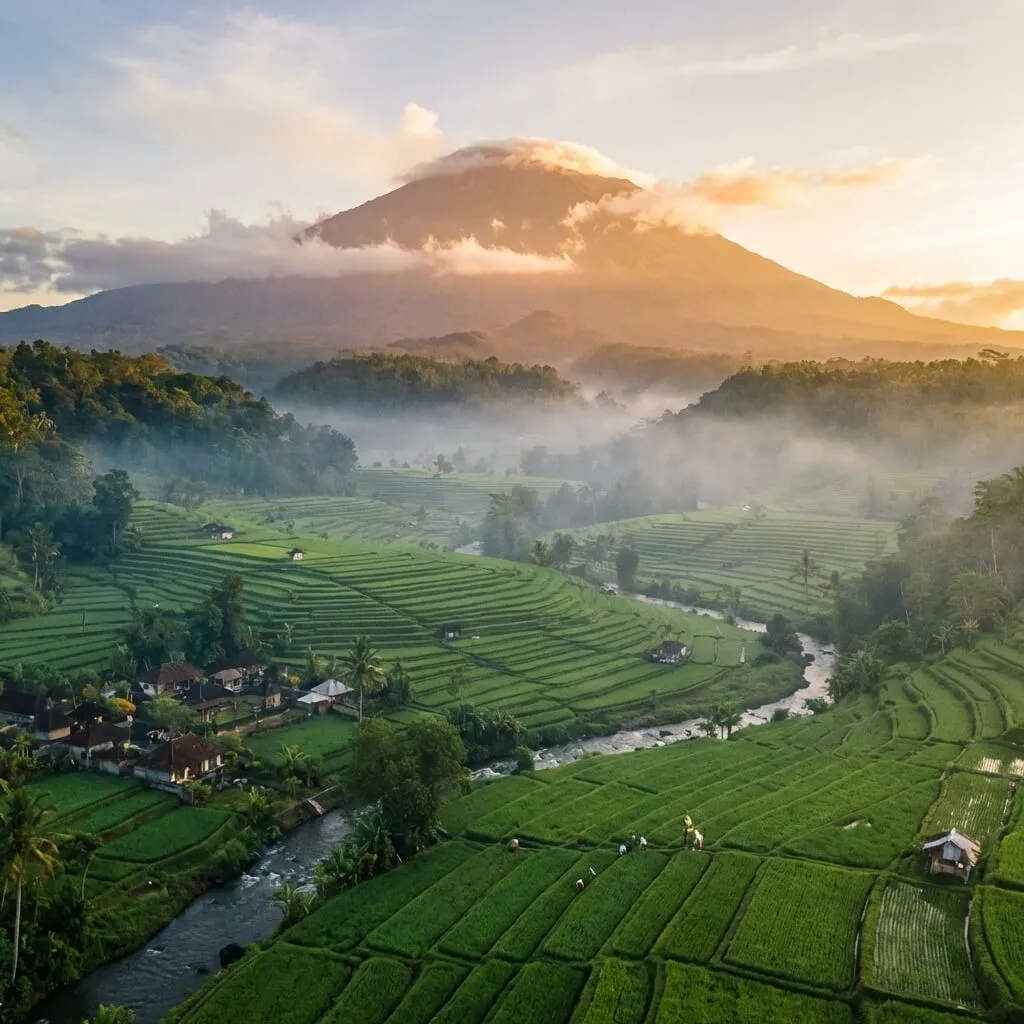
Imagine Ubud before massive tour buses, before traffic jams clogged Monkey Forest Road, and before “Eat Pray Love” changed everything. That place still exists, but it’s not in Gianyar anymore. It’s in East Bali, hidden in a valley beneath the looming shadow of Mount Agung.
Welcome to Sidemen.
Often called “The Original Ubud,” Sidemen offers everything travelers loved about Ubud two decades ago: endless emerald rice terraces, cool mountain air, and a silence so profound you can hear the wind rustling through the palm fronds. While Ubud (in Gianyar Regency) buzzes with a population of over 507,000, the Sidemen valley in Karangasem (population 536,000, but spread over a much larger, rural area) remains a peaceful sanctuary where life moves at the pace of the rice harvest.
If you’re seeking the spiritual heart of Bali without the commercial filter, this guide is your key to the island’s best-kept secret.
Find peace in Sidemen’s rice fields →
Why Sidemen is the “Real Bali”
The Landscape of Old Bali
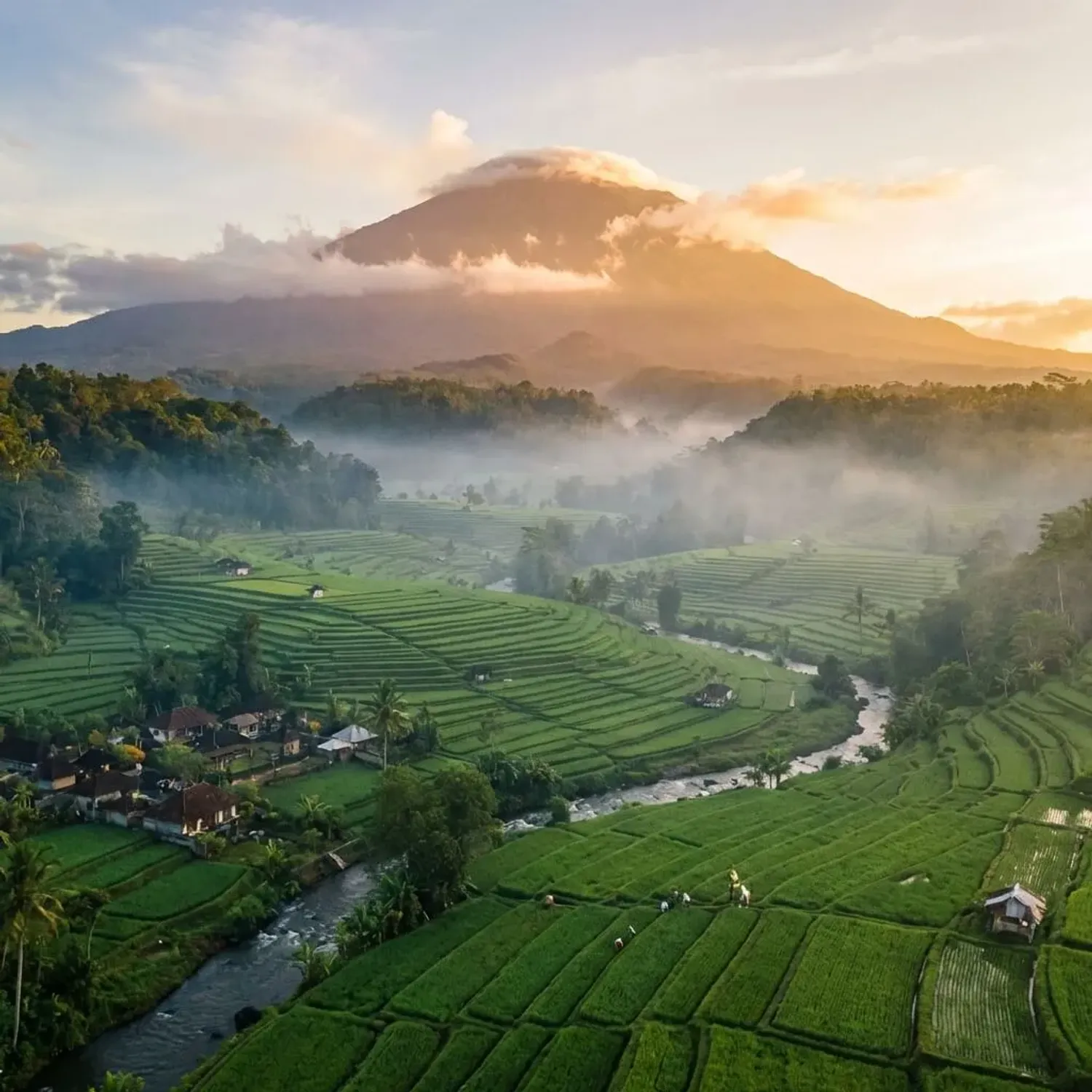
The drive to Sidemen alone is worth the trip. As you leave the chaos of the south, the roads narrow and wind upwards into the clouds. The valley floor is a patchwork of ancient subak irrigation systems, a UNESCO-recognized method of sustainable farming that dates back to the 9th century. Unlike the Tegallalang Rice Terraces, which are now lined with cafes and swings, the fields here are working farms. You’ll see locals planting rice, duck herding, and massive Mount Agung dominating the northern skyline—no ticket booths, no queues.
”Hushpitality” at its Finest
One of the biggest travel trends of 2026 is “Hushpitality”—the search for absolute quiet. Sidemen is the capital of calm. There are no nightclubs here. The nightlife consists of listening to crickets and watching fireflies dance over the paddies. It’s the perfect destination for solo travelers looking to decompress, journal, or simply be.
Sidemen vs. Ubud: Which is Right for You?
While often compared, these two destinations offer vastly different experiences in 2026.
| Feature | Sidemen (The “Old Bali”) | Ubud (The Cultural Hub) |
|---|---|---|
| Crowds | Minimal. Quiet village life. | Heavy. Tour buses & traffic jams. |
| Vibe | Authentic, agricultural, serene. | Artistic, commercial, busy. |
| Best For | Relaxation, trekking, doing nothing. | Shopping, dining, yoga studios. |
| Nightlife | Non-existent (crickets & stars). | Live music, bars, dance performances. |
| Stay Here If… | You want to disconnect completely. | You want action + culture access. |
Things to Do in Sidemen
1. Trekking the Rice Fields
You don’t need a guide to explore the rice fields, but hiring a local (often available through your accommodation) opens up hidden paths and insights into the subak system. A morning trek often leads to river crossings and panoramic views of the volcano that will leave you breathless.
2. Gembleng Waterfall
A true hidden gem, Gembleng isn’t a massive thundering fall but a series of natural rock pools perched on a cliff edge. It offers one of the most stunning infinity-pool views in Bali, looking straight out over the jungle canopy. It is a sacred site, so dress modestly when arriving.
3. Traditional Weaving Workshops
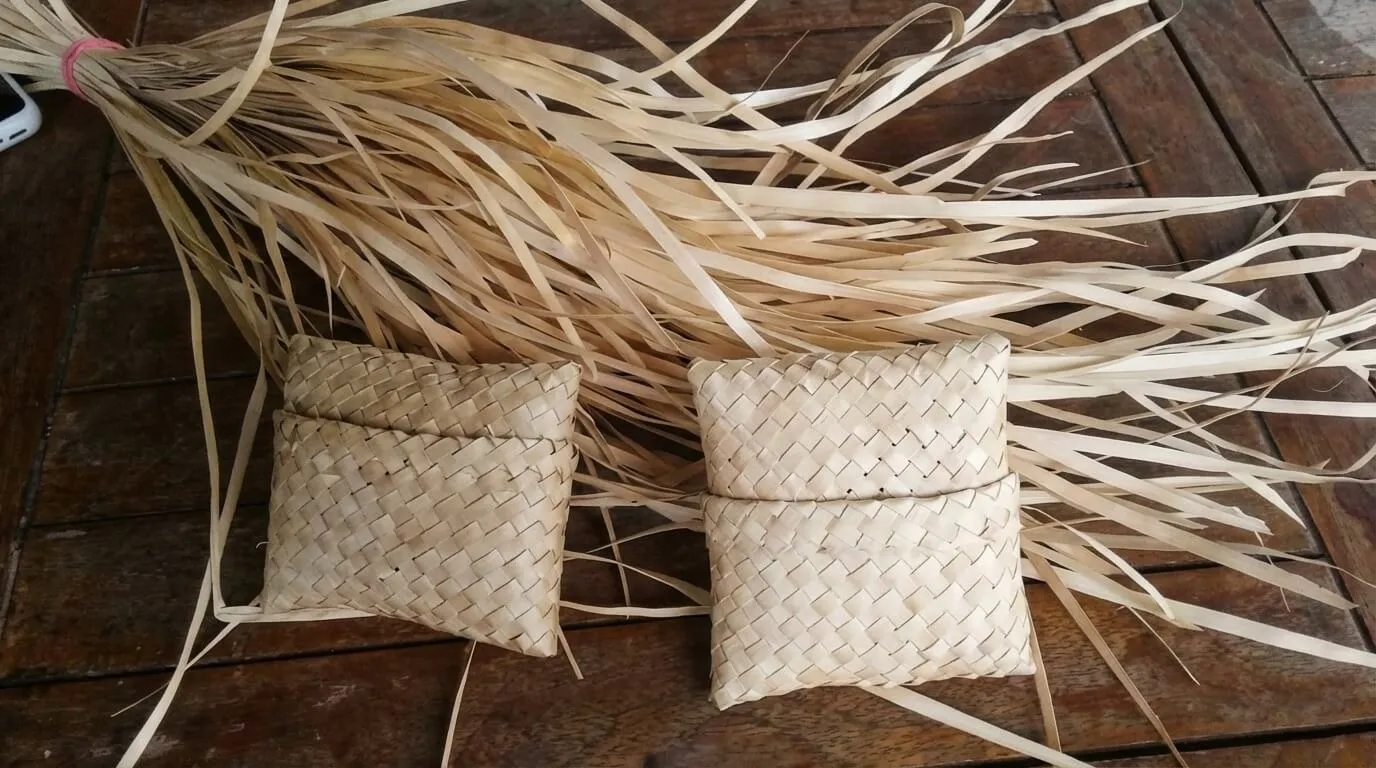
Sidemen is famous for its Songket and Endek weaving. Visit a local workshop (many are family-run in the village) to see the intricate process. Buying a sarong directly from the weaver ensures your money goes straight to the community.
Where to Stay in Sidemen
Sidemen is known for its bamboo architecture and eco-lodges that blend seamlessly with nature.
- Samanvaya: An adults-only luxury resort perfect for solo travelers wanting to splurge.
- Camaya Bali: Famous bamboo houses with suspend nets (book months in advance!).
- Cepik Villa: Authentic Balinese hospitality right in the rice fields.
Find your perfect bamboo escape:
Practical Information
Best Time to Visit (Climate Insight) 🌧️
Sidemen is lush for a reason—it rains. However, recent data highlights March as a smart “shoulder season” choice. With average rainfall dropping to just ~11.6mm (Data Commons/NOAA) compared to the peak wet season, you get the vibrant emerald green rice terraces without the constant monsoonal downpours of January or February.
Getting There
Sidemen is about 1.5 to 2 hours from Ngurah Rai International Airport. Public transport is non-existent, so hiring a private driver is the best option. It allows you to stop at the Klungkung Market or Goa Lawah (Bat Cave Temple) on the way.
Plan your journey to Bali:
Dining
Don’t expect western fast food. Dining here is about fresh, local ingredients:
- Warung Ume Anyar: Simple, delicious Nasi Campur with a million-dollar view.
- Sleeping Gajah Kitchen: Offers a modern twist on Indonesian classics.
Conclusion
Sidemen is fragile. It stands on the precipice of change, much like Ubud did twenty years ago. For now, it remains a haven for those who seek the authentic, the quiet, and the beautiful. Visit now, tread lightly, and let the peace of the valley restore you.
Ready to swap traffic for tranquility?