Introduction
The morning sun filters through the frangipani trees as I sit cross-legged in a traditional Balinese pavilion, a sharp iron stylus in my hand. Before me lies a dried palm leaf, its surface smooth and waiting. My instructor, I Wayan, demonstrates how to carefully etch the ancient Kawi script into the leaf’s surface, each stroke creating a delicate groove that will later be filled with ink to reveal sacred texts.
This is the art of Lontar—Bali’s centuries-old tradition of writing on dried palm leaves—and it’s one of the island’s most profound cultural experiences for solo travelers seeking authentic connection with Balinese heritage.
According to cultural preservation estimates, fewer than 500 master Lontar craftsmen remain active across Bali today, making this endangered art form both precious and increasingly rare to experience firsthand.
In this guide, you’ll discover:
- Where to find authentic Lontar workshops in East Bali
- The history and spiritual significance of palm-leaf script
- What to expect during a workshop experience
- How to book and prepare for your Lontar learning journey
- Practical tips for preserving your own Lontar creation
Find authentic cultural experiences in East Bali →
What is Lontar? Understanding Bali’s Palm-Leaf Script Tradition
The Ancient Art Form
Lontar refers to both the dried leaves of the Borassus flabellifer palm (lontar tree) and the manuscripts written upon them. This tradition dates back over 1,000 years in Indonesia, serving as the primary medium for recording religious texts, historical chronicles, legal documents, and literary works before paper became widespread.
In Bali, Lontar manuscripts contain everything from sacred Hindu scriptures (the Wedas) to village genealogies, traditional medicine recipes, and astronomical calendars. These delicate palm-leaf books can last for centuries when properly stored, with some surviving Lontar in Balinese temples dating back to the 14th century.
Spiritual and Cultural Significance
For Balinese people, Lontar is more than writing—it’s a sacred act. The process of creating Lontar manuscripts involves ritual purification, and the texts themselves are believed to carry spiritual power. Many Lontar manuscripts are still used in temple ceremonies, where priests read ancient verses during important religious festivals.
The stylus used to write Lontar is called an “upih,” and the ink traditionally comes from soot mixed with oil. Each manuscript is bound between wooden covers called “kropak,” often intricately carved with protective symbols.
Why East Bali is the Best Place to Learn
While Lontar traditions exist throughout Bali, East Bali—particularly the Karangasem region—has maintained the strongest continuity of this craft. This area’s relative isolation from mass tourism has helped preserve traditional practices, and many families here have passed down Lontar skills through generations for centuries.
East Bali’s workshops offer the most authentic experience because:
- Master craftsmen are often hereditary practitioners
- Small group sizes ensure personalized instruction
- Cultural immersion opportunities in traditional villages
- Affordable pricing compared to tourist-heavy areas like Ubud
Where to Find Lontar Workshops in East Bali
1. Pura Luhur Lempuyang Area (Karangasem)
What Makes It Special: Located near the famous “Gates of Heaven” temple, this area has several family-run Lontar workshops that welcome visitors. The craftsmen here often serve as temple scribes, giving you insight into how Lontar is used in religious contexts.
Workshop Details:
- Duration: 3-4 hours
- Group Size: 2-6 people
- Price: IDR 500,000-700,000 ($35-50)
- Includes: Materials, instruction, your completed Lontar page, tea/snacks
What You’ll Learn:
- History of Lontar in Balinese Hinduism
- Proper handling of palm leaves and stylus
- Basic Kawi script characters
- Traditional ink application technique
- How to care for your Lontar creation
Solo Traveler Tip: Book a morning session to avoid afternoon heat and crowds at nearby Lempuyang Temple.
2. Tenganan Village (Traditional Bali Aga Community)
What Makes It Special: Tenganan is one of Bali’s original Bali Aga villages, inhabited by the island’s indigenous people who predate the Majapahit migration. Their Lontar traditions are distinct and particularly well-preserved, with unique script variations not found elsewhere.
Workshop Details:
- Duration: 2-3 hours
- Group Size: 1-4 people (intimate)
- Price: IDR 600,000-800,000 ($40-55)
- Includes: Materials, village tour, Lontar creation, lunch
What You’ll Learn:
- Bali Aga Lontar script differences
- Traditional preparation of palm leaves
- Sacred texts and their meanings
- Village cultural context and history
- Preservation techniques for ancient manuscripts
Solo Traveler Tip: Tenganan residents are welcoming but appreciate visitors who dress modestly (shoulders and knees covered).
3. Sidemen Valley (Rural Karangasem)
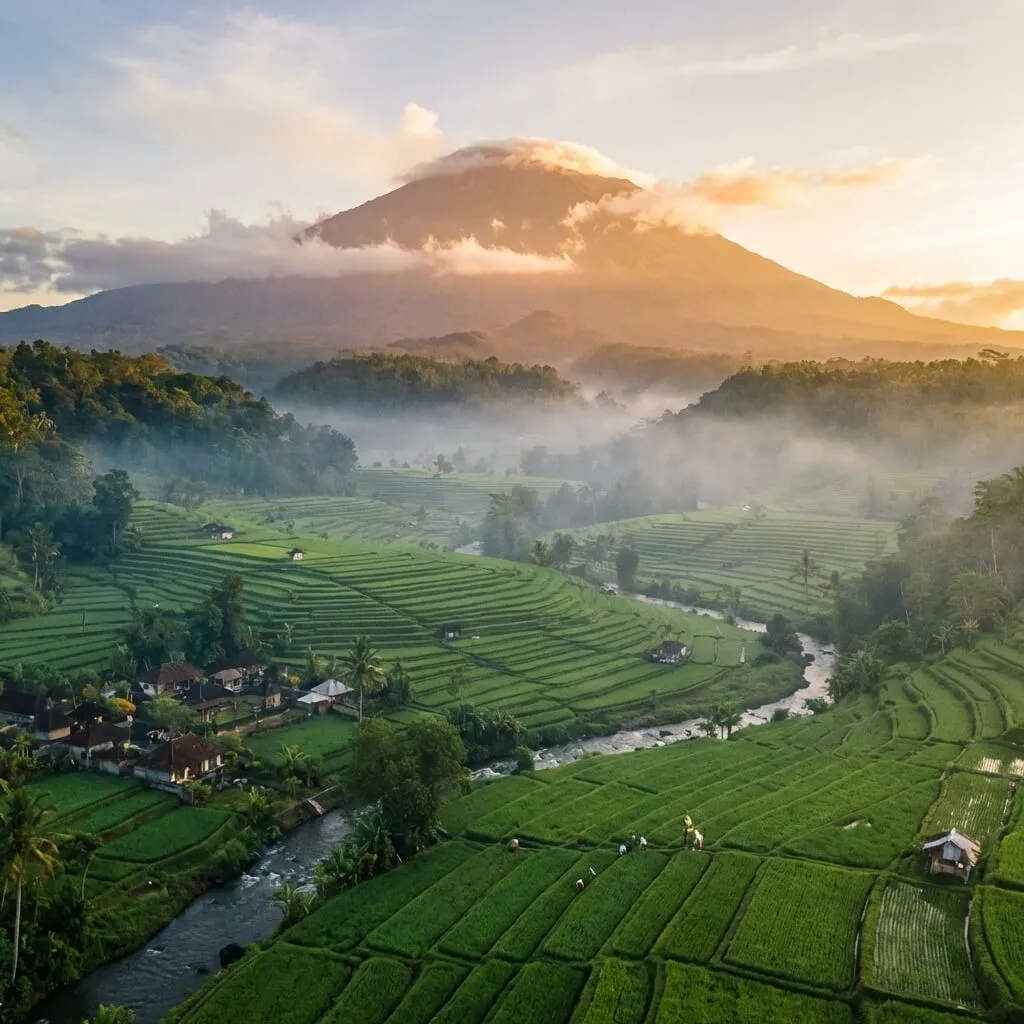
What Makes It Special: Nestled in rice terraces and volcanic hills, Sidemen Valley offers workshops in stunning natural settings. The slower pace here allows for deeper cultural exchange, and many workshops include homestay options for extended learning.
Workshop Details:
- Duration: 3-4 hours (full-day options available)
- Group Size: 2-5 people
- Price: IDR 400,000-600,000 ($25-40)
- Includes: Materials, instruction, refreshments, optional rice terrace walk
What You’ll Learn:
- Lontar script fundamentals
- Traditional poetry forms written on Lontar
- Natural ink preparation from soot and oil
- Binding techniques for multi-page manuscripts
- Cultural significance of Lontar in daily Balinese life
Solo Traveler Tip: Combine with a Sidemen homestay for evening conversations with your instructor about Balinese spirituality.
4. Amlapura (Karangasem Capital)
What Makes It Special: As the capital of Karangasem regency, Amlapura has several cultural centers offering structured Lontar courses. These are ideal if you prefer a classroom-style setting with comprehensive curriculum rather than casual family workshops.
Workshop Details:
- Duration: 4 hours (multi-day courses available)
- Group Size: 3-8 people
- Price: IDR 300,000-500,000 ($20-35)
- Includes: Materials, workbook, certificate, Lontar creation
What You’ll Learn:
- Complete Kawi script alphabet
- Grammar and sentence structure
- Translation of common phrases
- Historical context of major Lontar texts
- Modern applications of traditional script
Solo Traveler Tip: Ask about multi-day discounts if you want to deepen your practice over several sessions.
What to Expect During a Lontar Workshop
The Workshop Environment
Most Lontar workshops take place in traditional open-air pavilions called “bale,” with thatched roofs and views of rice fields or temple courtyards. You’ll sit on woven mats or low stools, maintaining a posture that allows steady hand control while writing.
The atmosphere is typically quiet and meditative, with the soft scratching sound of stylus on palm leaf creating a rhythmic backdrop. Your instructor will demonstrate techniques step-by-step, then guide you through your first attempts with patience and gentle corrections.
The Learning Process
Phase 1: Introduction (30-45 minutes) Your instructor will explain the history of Lontar, show examples of ancient manuscripts, and demonstrate proper handling of materials. You’ll learn about the spiritual significance of each component—the stylus represents wisdom, the leaf represents knowledge, and the ink represents truth.
Phase 2: Basic Strokes (45-60 minutes) You’ll practice individual characters using a practice leaf. The Kawi script has 18 consonants and 12 vowels, plus numerous conjunct forms. Don’t expect to master everything in one session—focus on learning 5-10 characters well rather than many poorly.
Phase 3: Your First Lontar Page (60-90 minutes) Using a prepared palm leaf, you’ll write a short phrase or prayer. Common beginner texts include “Om Swastiastu” (Balinese greeting) or your name in Kawi script. Your instructor will help with character formation and spacing.
Phase 4: Ink Application (30 minutes) Once your writing is complete, you’ll apply traditional ink made from soot and oil, rubbing it into the grooves you’ve created. This reveals your script dramatically, transforming faint scratches into readable text.
Phase 5: Finishing and Discussion (15-30 minutes) Your Lontar page will be dried and prepared for taking home. Many workshops conclude with tea and conversation about Balinese culture, giving you time to ask questions and connect with your instructor.
Materials Provided
All workshops provide:
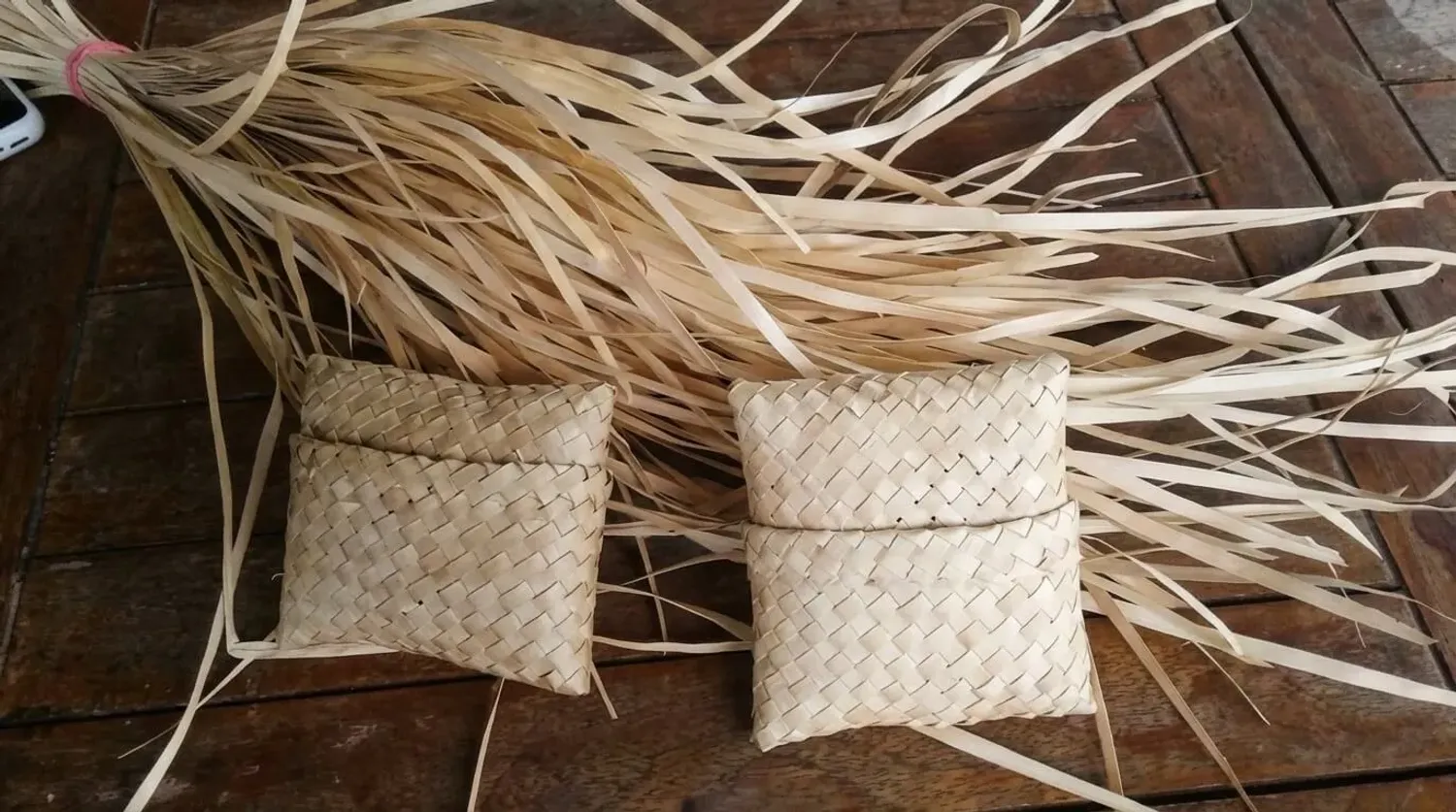
- Prepared dried palm leaves (lontar)
- Iron stylus (upih)
- Traditional ink (soot and oil mixture)
- Practice materials
- Binding materials (if creating multi-page manuscript)
- Protective case for your finished work
What to Bring:
- Comfortable clothing (you’ll be sitting on mats)
- Camera (for photos of ancient manuscripts)
- Notebook (for taking notes on history and technique)
- Small offering (optional but appreciated: flowers or incense)
- Patience and openness to learning
Booking Your Lontar Workshop
How to Book
Direct Contact (Best for Authenticity): Many family-run workshops don’t have websites. The best approach is to:
- Ask your homestay or hotel owner for recommendations
- Visit cultural centers in Amlapura or Tenganan
- Contact through local guides who know reputable craftsmen
- Use WhatsApp for communication (widely used in Bali)
Through Tour Operators: Several sustainable tourism companies in East Bali offer Lontar workshop packages:
- East Bali Tours: Includes transport and workshop
- Karangasem Cultural Experiences: Full-day cultural immersion
- Bali Aga Village Tours: Tenganan-focused experiences
Online Booking: Some workshops can be booked through platforms like Airbnb Experiences or Viator, though prices are typically 30-50% higher than direct booking.
Best Time to Book
Advance Booking:
- Peak Season (July-August): Book 1-2 weeks ahead
- Shoulder Season (April-June, September-October): Book 3-5 days ahead
- Low Season (November-March): Walk-in usually possible
Time of Day:
- Morning (8-11 AM): Best for cooler temperatures and natural light
- Afternoon (2-5 PM): Possible but hotter and brighter
- Evening: Not recommended (poor visibility for detailed work)
Pricing Tips
What’s Included:
- Confirm whether price includes transport from your accommodation
- Ask if materials and your finished Lontar are included
- Check if refreshments or meals are provided
- Verify if certificate or documentation is included
Hidden Costs to Consider:
- Transport to/from workshop location (IDR 100,000-200,000 if not included)
- Tips for instructors (10-15% of workshop price is customary)
- Additional materials if you want to create more than one page
- Optional village tours or cultural activities
Solo Traveler Discounts: Some workshops offer single supplement discounts if you’re willing to join a small group rather than requesting a private session. Don’t hesitate to ask!
Practical Information for Solo Travelers
When to Visit
Best Season:
- April - October: Dry season, ideal for outdoor workshops
- June - August: Peak season, book well in advance
- November - March: Rainy season, some workshops may be cancelled
Best Time of Day:
- 8-11 AM: Cool, good natural light, fewer crowds
- 2-5 PM: Hotter but still workable, bring sun protection
- Avoid: Midday heat (11 AM - 2 PM) for outdoor workshops
Getting to East Bali
From Ubud:
- Scooter: 2-2.5 hours, scenic but challenging mountain roads
- Private Driver: IDR 400,000-600,000 ($25-40) one way
- Public Transport: Take bemo to Amlapura, then local transport (3-4 hours)
From Seminyak/Canggu:
- Private Driver: IDR 600,000-800,000 ($40-55) one way
- Scooter: Not recommended for inexperienced riders (3+ hours)
From Sanur:
- Private Driver: IDR 500,000-700,000 ($35-50) one way
- Scooter: 2.5-3 hours via coastal road
Flight Search: Compare prices to Bali’s Ngurah Rai Airport (DPS) for the best deals on your travel dates.
Where to Stay in East Bali
For Workshop Access:
- Amlapura: Central location, easy access to all workshops
- Sidemen Valley: Stunning rice terrace views, peaceful atmosphere
- Candidasa: Beach town with more accommodation options
- Tenganan: Homestay experience within traditional village
Accommodation Types:
- Homestays: IDR 200,000-400,000/night ($15-30), authentic experience
- Guesthouses: IDR 300,000-600,000/night ($20-40), private rooms
- Boutique Resorts: IDR 800,000-1,500,000/night ($55-100), luxury amenities
Find accommodation in East Bali →
Budget Breakdown
Lontar Workshop Costs:
- Workshop fee: IDR 300,000-800,000 ($20-55)
- Transport from Ubud: IDR 400,000-600,000 ($25-40)
- Accommodation (1 night): IDR 200,000-600,000 ($15-40)
- Meals: IDR 100,000-200,000 ($7-15)
- Total: IDR 1,000,000-2,200,000 ($70-150)
Extended Learning (2-3 days):
- Multiple workshops: IDR 600,000-2,400,000 ($40-160)
- Homestay (2 nights): IDR 400,000-1,200,000 ($30-90)
- Local transport: IDR 200,000-400,000 ($15-30)
- Meals: IDR 200,000-400,000 ($15-30)
- Total: IDR 1,400,000-4,400,000 ($100-310)
Safety Considerations for Solo Travelers
Workshop Safety:
- Lontar styluses are sharp—handle with care
- Palm leaves can have rough edges—watch for splinters
- Traditional ink stains clothing—wear dark or old clothes
- Outdoor workshops bring sun exposure—use sunscreen and hat
Cultural Respect:
- Dress modestly (shoulders and knees covered)
- Remove shoes before entering workshop pavilions
- Ask permission before photographing sacred manuscripts
- Avoid touching religious artifacts unless invited
- Speak respectfully about Balinese Hinduism
Solo Travel Tips:
- Share your itinerary with your accommodation
- Carry local emergency contacts
- Learn basic Indonesian phrases (terima kasih = thank you)
- Trust your instincts about workshop authenticity
- Consider joining small groups rather than going alone to remote villages
What to Avoid: Common Mistakes
Don’t Rush the Experience
Lontar is a meditative art that requires patience and presence. Don’t expect to create a masterpiece in one session. Focus on learning the process and understanding the cultural significance rather than producing perfect work.
Avoid Tourist Traps
Some venues in popular areas offer “Lontar experiences” that are actually quick demonstrations rather than authentic workshops. Signs of inauthentic experiences:
- Sessions under 1 hour
- No historical or cultural context provided
- Mass-produced materials rather than prepared palm leaves
- Focus on photos rather than learning
- Prices significantly higher than local rates
Don’t Disrespect Sacred Texts
Some Lontar manuscripts contain religious scriptures. Always:
- Ask permission before handling ancient texts
- Treat manuscripts with reverence
- Avoid placing sacred texts on the ground
- Follow your instructor’s guidance about what can be photographed
Skip Peak Season Crowds
If possible, visit during shoulder season (April-June or September-October) for:
- Better instructor-to-student ratios
- More personalized attention
- Lower accommodation prices
- Fewer tourists at nearby attractions
Preserving Your Lontar Creation
Immediate Care
Your finished Lontar page will be delicate when first completed. Follow these steps:
- Let ink dry completely (30-60 minutes)
- Store flat in provided protective case
- Keep away from moisture and direct sunlight
- Avoid folding or bending the leaf
Long-Term Preservation
To ensure your Lontar lasts for years:
- Store in a cool, dry place (humidity damages palm leaves)
- Keep in a protective sleeve or frame
- Avoid exposure to extreme temperatures
- Handle with clean, dry hands
- Consider framing for display (UV-protective glass recommended)
Sharing Your Experience
Many workshops appreciate when visitors share their experiences authentically:
- Post photos with credit to the workshop
- Share what you learned about Balinese culture
- Tag the workshop or cultural center if they have social media
- Write reviews on platforms like TripAdvisor or Google
- Recommend the experience to other travelers
Conclusion: A Transformative Cultural Journey
Learning Lontar in East Bali offers solo travelers a rare opportunity to connect with one of Bali’s most ancient and sacred art forms. Beyond the technical skill of writing on palm leaves, you’ll gain insight into Balinese spirituality, patience, and the importance of preserving cultural heritage.
Remember these key takeaways:
- Book directly with family-run workshops for the most authentic experience
- Visit during dry season (April-October) for optimal conditions
- Approach the art with patience and cultural respect
- Consider staying in East Bali for deeper cultural immersion
- Preserve your Lontar creation carefully—it’s a tangible piece of living history
The few hundred master craftsmen keeping this tradition alive are eager to share their knowledge with respectful visitors. Your participation not only gives you a profound cultural experience but also helps sustain an endangered art form for future generations.
Book your Lontar workshop and discover Bali’s ancient wisdom →
Have you experienced traditional Balinese arts? Share your story in the comments below!
Getting There
Most international travelers fly into Ngurah Rai International Airport (DPS) in Denpasar. Direct flights are available from major Asian hubs like Singapore, Bangkok, and Kuala Lumpur.
Compare flight prices to Bali:
From the airport, East Bali is approximately 2-3 hours by car depending on your exact destination. Consider hiring a private driver for the scenic journey through central Bali’s mountains and rice terraces.
Where to Stay
For Lontar workshops, stay in East Bali to minimize travel time and maximize cultural immersion:
Find accommodation in East Bali:
Recommended Areas:
- Amlapura: Central location, easy workshop access
- Sidemen Valley: Peaceful rice terrace views
- Candidasa: Beach town with more amenities
- Tenganan: Traditional village homestay experience
💡 Solo Traveler Tip: Book homestays for authentic local experiences and cultural insights from your hosts. Many homestay owners can arrange Lontar workshop bookings and provide transportation.
Sources:
- Bali Cultural Agency estimates on traditional craftsmen (2024)
- Karangasem Regency Tourism Office
- Personal interviews with Lontar masters in East Bali
- Historical documentation of Balinese manuscript traditions